Grief sits in the body as much as in the mind. It changes appetite, sleep, concentration, even posture. People notice they are scanning rooms for a voice that will never call again, or checking a phone they know will stay quiet. The world keeps moving while your inner clock stutters. Grief counseling does not try to rush that process or package it neatly. It gives you a place to learn the landscape of your loss, to understand your nervous system’s response to it, and to rebuild a rhythm that fits your changed life.
I have worked with people after deaths, divorces, miscarriages, estrangements, and the slow losses of illness and dementia. The pattern is never identical. Some clients speak in torrents, others in sentences that arrive once a minute. Some want to talk memories from start to finish. Others want to manage panic in the grocery store first because the bananas are in the same aisle where their partner chose avocados every Thursday. Good counseling adjusts to these particulars while keeping a few sturdy principles in view: safety, choice, and pacing.
What grief counseling is, and what it is not
Grief counseling helps you process the reality of a loss, find ways to tolerate the pain, and build a continuing bond with who or what is gone. It is not about erasing sadness. You will likely cry in session, and you might also laugh. You may revisit arguments you never settled. Counselors help you encounter these experiences with structure so you are not dragged under by them.
Sessions often start with what has changed since last time. We might map triggers that surprised you this week, practice a grounding exercise, then turn to a specific memory or a practical task like writing to your child’s school about accommodations. Good grief work toggles between stabilization and deeper processing. That alternation protects your nervous system from overload while still moving.
People sometimes ask how long grief counseling lasts. There is no one clock. Many feel relief within six to eight sessions, especially if the goal is coping skills and support. Others work for months as different layers emerge. The death itself is not the only event. There is the diagnosis, the vigil, the funeral, the first holiday, the first tax season, the first time you introduce yourself without saying a spouse’s name. Grief changes flavor over time, and counseling can track those shifts.
When trauma therapy belongs in the room
Not every loss is traumatic, and not every trauma is a loss. Yet the two overlap more often than people expect. If the death was sudden, violent, or you witnessed the final moments, your brain might loop images like a broken reel. You may avoid sleep to outrun dreams, or your heart may surge at the smell of antiseptic. In these situations, integrating trauma therapy into grief work helps. The aim is to reduce the body’s alarm around the traumatic elements so you can actually grieve.
I think of a client who found his brother after an overdose. For months he could not enter the hallway where it happened. He felt guilty that he had not answered a text. In session, we used a structured approach to target the hallway image and the belief I failed him. We did not start with the eulogy or the family arguments about blame. We started with his nervous system, which was stuck in high alert. As his flashbacks softened from a constant siren to an occasional car alarm, it became possible to recall his brother’s kindness without the whole story collapsing into the last minutes of his life.
Trauma therapy, in this context, is not about deleting memory. It is about filing the memory in a cabinet instead of leaving it spread across the floor where every step cuts your feet. When that happens, grief counseling can proceed with a wider range of motion.
How somatic therapy supports mourning
Sadness is a posture. So is vigilance. So is shame. Somatic therapy treats the body as a source of information and as a gateway for change. After loss, the nervous system often narrows its window of tolerance. Spikes of anxiety or numbing make it hard to connect with others or with yourself. Somatic approaches expand that window gradually.
Here is what that can look like. We practice orienting: letting your eyes move around the room, naming colors, registering the weight of your feet. I might invite you to raise one shoulder two inches and notice the difference between your left and right side. We might track breath without forcing it, placing a hand on the ribcage to feel its rise. These are not tricks. They are ways to anchor attention to the present when grief pulls you under waves of memory, or to warm a numb body so feeling can return in manageable doses.
Somatic therapy also recognizes impulses that never found completion. Maybe you wanted to shield your mother from tubes in the hospital but froze. In a session, we can explore that protective impulse gently, letting your arms press into a cushion. Your body gets to finish a movement it began months ago. Many people report a quieting after such work, a sense that something inside has finally rounded a corner.
Movement therapy for grief you cannot think your way through
Some grief resists conversation. Words skid on the surface while the pain lives deep in the muscles. Movement therapy meets grief on its chosen ground. This does not require choreography or dance skill. It asks you to move in ways that fit your body, to notice shifts in tempo and shape.
I have walked sessions around a block with clients who could not sit in a room without dissolving. The cadence of footsteps steadied the pace of speech. I have worked with a widower who set a metronome at 60 beats per minute because that had been his wife’s resting heart rate, then let himself move just enough to feel connected without crashing. A mother who lost a baby after 22 weeks wanted to rock. We brought a padded chair into the office and let her rock while naming the ache. Movement therapy here did not fix grief. It made it bearable to touch.
Yoga therapy, tai chi, and somatic experiencing can all serve as scaffolding. If your shoulders clamp when you try to talk about the memorial, we might explore lifts and releases in the shoulder girdle first, then return to the story. The body often opens a door the mind has braced shut.
Attachment therapy and the continuing bond
Loss is relational, so we work in the language of attachment therapy. You built patterns of safety and proximity across years with the person you lost. After they die or leave, your attachment system still reaches. People think that means they are stuck. Often it means the bond wants a new form.
One exercise involves a two chair dialogue. In one chair, you speak as yourself today. In the other, you voice the person you lost, not as a supernatural act but as a way to surface what you already know about them. A father who died young of heart disease might say in your memory, I hated the cardiologist, but I loved seeing you make the doctor jokes to make me laugh. Another exercise uses letter writing with a clear opening and close so you can step out of the dialogue when needed. We look for what attachment needs still ask for attention. Is it reassurance, permission, acknowledgment, repair? We try to meet those needs with rituals and relationships that are possible now.
Attachment therapy also helps when grief reveals older wounds. If a parent’s death reactivates the coldness they showed when you were six, we may work with that history. You do not need to fix childhood to grieve adulthood, but understanding how your attachment system learned to cope will save you from judging normal grief responses as personal failure.
A first session, in practice
The first hour is less about paperwork and more about your story. Still, a good intake covers basics: who died or what ended, when it happened, your supports, your health history, and your safety. I ask about sleep, appetite, substance use, and any thoughts of self-harm. We talk about what you want from counseling. Some want help getting through the funeral. Some want to stop snapping at their kids. Some want to understand why they feel relief alongside sadness and what that says about them.
We also establish consent for how to handle strong emotions. For example, if you begin to dissociate, do you want me to call your name, ask you to look around the room, or offer a sip of water? If crying becomes full-body sobbing, do you prefer your own tissues or a box nearby? Small agreements create safety when feelings surge. Before you leave, I try to make sure you have one skill you can use that same day, such as a paced breathing pattern or a plan to ask a friend to meet for a 20 minute walk.
Practical tools you can start today
- Box breathing at a pace that suits you. Inhale for four, hold four, exhale four, hold four. Repeat for two to three minutes. If dizziness shows up, drop the holds and simply extend your exhale a beat longer than your inhale. A five-sense anchor. Name one thing you can see in detail, one sound close by, one sound far away, one sensation on your skin, and one smell. Do it while standing to engage your posture. A memory container. Choose a time of day, set a 15 minute timer, and allow yourself to touch painful memories on purpose. When the timer ends, close the notebook or box that holds them, wash your hands, and change rooms. This teaches your brain that you can approach and step away. A grief ritual. Light a candle nightly for a month, play the same song on Sundays, or cook one dish they loved each week. Repetition creates a gentle structure. A brief letter to your nervous system. Three sentences: I notice my heart racing. I am safe enough in this room. I will move my shoulders three times. Then follow through.
These do not replace therapy, but they build capacity. Used consistently, they stabilize the ground under your feet.
Complicated grief, depression, and red flags
Tears alone do not mean depression. After a significant loss, feeling hollow or sad much of the day is expected. What raises concern is prolonged inability to function in basic ways, like eating enough to maintain weight or getting up to use the bathroom, or a persistent belief that life is not worth living without the person or role you lost. If, after several months, yearning remains so intense that you cannot engage in work or relationships at all, or you are consumed by guilt detached from facts, a specialized approach for prolonged grief disorder can help. Counselors should screen for this and for coexisting conditions like PTSD and substance misuse.
If you have active thoughts of ending your life, or you have started collecting means or making plans, reach out for immediate support. Safety plans are not shame. They are a way to get you through the next hour without permanent decisions. Many communities have mobile crisis teams, warm lines, or walk-in clinics. It is fine to bring a friend to that first emergency appointment.
Cultural, family, and spiritual threads
Grief does not happen in a vacuum. Culture shapes how we show sorrow and what we expect from the bereaved. Some families sit shiva and receive guests, others bring a covered dish to a house where no one wants to talk. Some pray, some garden, some pour out a drink on the earth each year. A respectful counselor asks about your rituals and beliefs and follows your lead.
One client’s family did not believe in talking to the dead. She did. We fashioned a practice she could hold privately, lighting a candle and speaking a single sentence at dawn for 40 days. Another client came from a tradition that emphasized stoicism. He wanted space to cry, then put himself together for relatives. Knowing that plan mattered more than debating norms. If a counselor’s approach clashes with your values, say so. Therapy should flex around you, not the other way around.
Individual, group, or both
Individual grief counseling gives you a private place to unravel tangled feelings. Group counseling adds the shock of recognition. When someone across the circle says, I thought I was going crazy because I kept smelling her shampoo in random places, and three heads nod, shame drops. Groups can be general or specific, like for parents after stillbirth or for partners after suicide loss. The choice involves trade-offs. Individual work tunes closely to your pace. Groups offer community and often cost less. Many people benefit from a blend, using individual sessions to process high-heat memories and group sessions to feel less alone.
Online therapy widened access. For clients in remote areas or those who cannot leave a house without panic, video sessions keep help within reach. But a camera cannot hand you a tissue or offer a glass of water. The intimacy of a room has its own healing force. If you try telehealth and feel flat, consider one in-person session to compare.
How to choose a grief counselor
- Training and approach. Ask about experience with grief counseling and whether they integrate trauma therapy, somatic therapy, movement therapy, or attachment therapy. A clear answer beats buzzwords. Comfort and fit. After the first meeting, ask yourself if you felt respected, not hurried, and able to say no. You do not need fireworks, just a sense of ease. Structure. Do they set goals with you, track progress, and offer practical tools? Can they explain how sessions might unfold over time? Boundaries and availability. Understand scheduling, cancellation policies, and what happens between sessions if a crisis hits. No surprises is a good sign. Cost and access. Clarify fees, insurance, superbills, and sliding scales. If cost is a barrier, ask for community resources or group options.
A counselor’s letters after their name matter less than how their work lands in your body. If you consistently leave feeling more grounded and more able to face the day, you are likely in the right place.
Working with children and teens
Children grieve in bursts. They can ask about death, then five minutes later demand a snack. Do not mistake oscillation for indifference. Counseling with kids often uses play and art to help them express what they cannot yet narrate. A nine year old might draw storms and sun in the same frame. Teens may test limits or withdraw. Grief can look like irritability more than tears. Involve schools when it helps, for flexible deadlines or a quiet space during the day.
One guideline stands firm: tell the truth, in age appropriate language, and repeat it gently. If you are a caregiver managing your own grief, you do not need to be a perfect container. You need to be good enough and to bring in support when your cup is empty.
The calendar’s traps: anniversaries and holidays
Dates carry weight. The brain marks time, and the body remembers without checking a calendar. People often feel worse two to three weeks before an anniversary or holiday, then wonder why they are extra clumsy or short tempered. In counseling we plan for these spikes. We scale back commitments, schedule anchor activities, and decide ahead of time which invitations to accept or decline.

A client who lost her mother to cancer created an anniversary ritual that did not mimic the funeral. She and her sister visited the farmers market their mother loved, bought a bouquet from the same stall, and cooked a meal using her recipes. On another date, they gave themselves permission to do nothing at all. Options matter. Grief tightens when you feel trapped.
How progress looks without a finish line
Progress in grief is rarely linear. Think concentric circles rather than a line. You revisit themes with more capacity each time. Early wins might be basic: ate two real meals today, answered one email, slept four hours in a row. Later, you might notice a full day without intrusive images, or you laugh with a friend and feel both the sweetness and the ache instead of only guilt.
I pay attention to a few markers. Can you name what you feel with some nuance, like sorrow mixed with relief, or anger at the doctors paired with gratitude for the nurse who stayed late? Can you stay in your body when those feelings move, or do you bolt to the ceiling? Can you remember without being swept away every time? Can you imagine a next step that is not betrayal, like taking a class, joining a hiking group, or painting the bedroom?
There is no graduation robe for grief. But there is a day when you look at a picture and your throat loosens. There is a day when you put your hand on your own chest and feel kindness where there was only critique.
Costs, access, and making it sustainable
Therapy costs vary widely. Private practice rates often range from 100 to 250 dollars per session in many cities, with higher or lower outliers depending on region and training. Community clinics, hospital bereavement programs, and nonprofit agencies may offer lower fees or groups at no cost. Insurance can help, though not all counselors are in network. Ask about superbills for reimbursement if you plan to submit out of network claims.
Sustainability matters. A weekly session might feel right at first, then shift to biweekly as you stabilize. Some clients return for tune-ups before the first holiday season or around a trial date. Think of grief counseling as a resource you can scale to match your needs rather than a fixed prescription.
Edge cases and judgment calls
Not all goodbyes are clean, and not all loves were safe. Grieving an abusive parent can stir rage and relief alongside sadness. Therapy must hold that complexity without pressure to perform forgiveness. Similarly, when there is no body, as in a presumed death, rituals may require imagination. Counselors can help craft symbolic acts, like placing a marker in a location that feels right or writing a eulogy that acknowledges the unknown.
Conflicts inside families are common after a death. Money, care decisions, and old alliances flare. A counselor should not become your attorney or referee, but can help you separate what is yours to carry from what belongs to others. Setting boundaries during grief is not selfishness, it is survival.
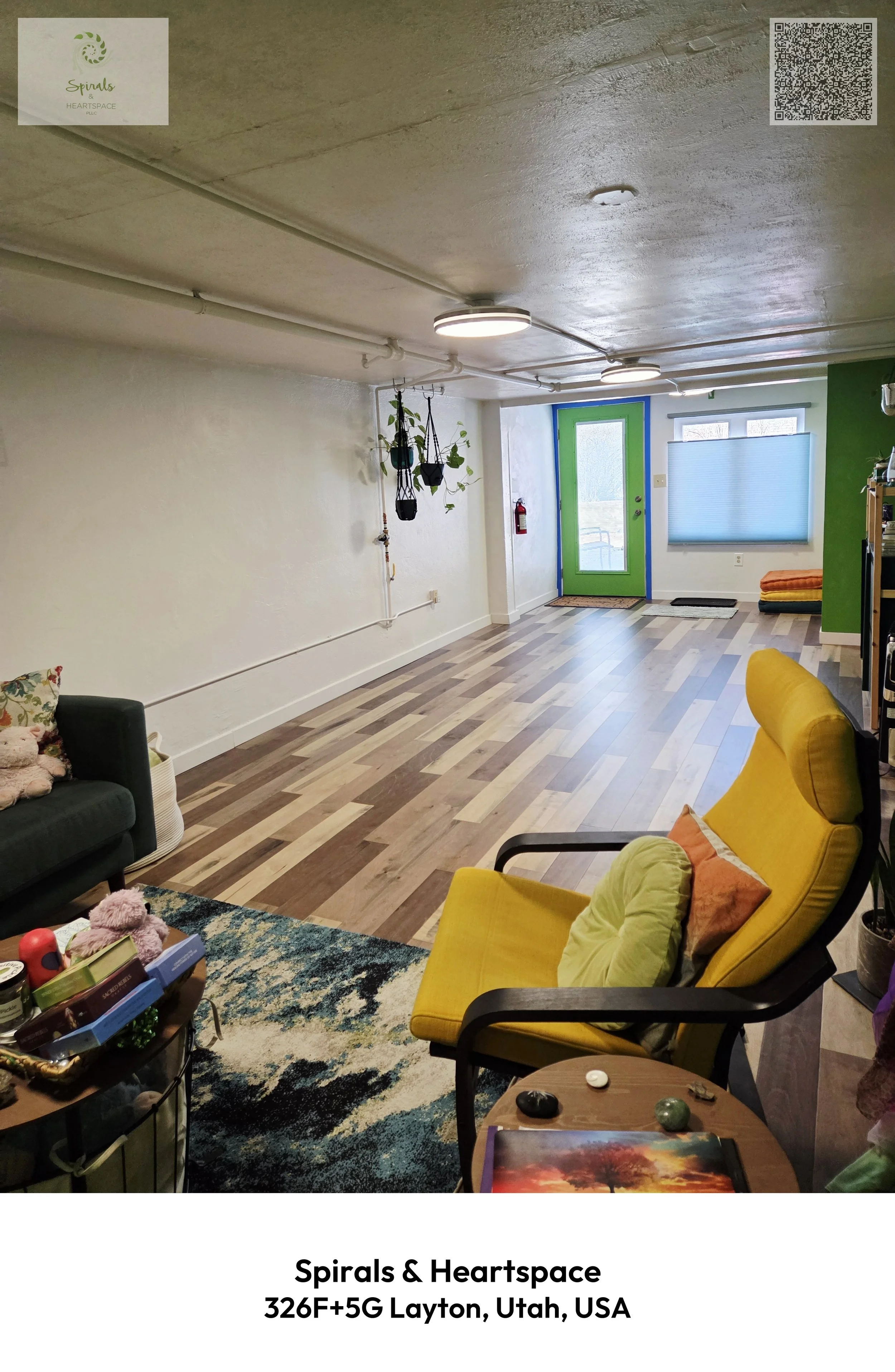
When grief meets work
Employers vary in their policies. Some offer three days of bereavement leave for a spouse, one for a grandparent, and nothing for friends or nontraditional kin. That math often insults real bonds. If possible, advocate for what you need. I have written letters confirming that a client is in treatment and benefits from a modified schedule, remote work days, or flexibility around memorial events. You might agree to a phased return, starting with three mornings a week and adding time as sleep and focus improve. If you lead a team, model humane boundaries. Grief workers are not unreliable. They are honest about the load they carry.
What it feels like when counseling helps
Relief does not always show up as a smile. Sometimes it is a breath you did not know you were holding. Sometimes it is choosing a seat with your back to the wall, not out of fear, but because you are learning what soothes you. Sometimes it is tolerating a two minute song that used to gut you. In my office, it often sounds like, I still miss him every day, but I made coffee this morning and watched the birds for https://spiralsandheartspacehealing.com/attachment-therapy ten minutes, then I called my sister, and I think she laughed for real.
Grief counseling will not return your life to its previous shape. It can help you build a life that honors what was, carries what is, and makes room for what will be. With the right mix of somatic therapy to calm the body, trauma therapy to settle the alarms, movement therapy to unlock stuck places, and attachment therapy to tend the bond that endures, you do not have to find your way through loss alone. There is a path. It is not straight, but your feet will learn it. And as you walk, the ground starts to hold.
Name: Spirals & Heartspace
Address: 534 W Gentile St, Layton, UT 84041, United States
Phone: 385-301-5252
Website: https://spiralsandheartspacehealing.com/
Hours:
Monday: 9:30 AM - 7:00 PM
Tuesday: 9:30 AM - 7:00 PM
Wednesday: 9:30 AM - 7:00 PM
Thursday: 9:30 AM - 7:00 PM
Friday: 9:30 AM - 7:00 PM
Saturday: Closed
Sunday: Closed
Open-location code (plus code): 326F+5G Layton, Utah, USA
Map/listing URL: https://maps.app.goo.gl/M1jmgkhNyaMPCCJ8A
Embed iframe:
"@context": "https://schema.org",
"@type": "ProfessionalService",
"name": "Spirals & Heartspace",
"url": "https://spiralsandheartspacehealing.com/",
"address":
"@type": "PostalAddress",
"addressLocality": "Layton",
"addressRegion": "UT",
"addressCountry": "US"
Spirals & Heartspace is a Layton therapy practice offering somatic, trauma-informed support for adults who feel stuck in survival mode.
The practice focuses on trauma therapy, somatic therapy, grief counseling, movement therapy, and attachment therapy for clients looking for deeper healing work.
Based in Layton, Utah, Spirals & Heartspace offers therapy for adults in the local area and notes that both in-person and online sessions are available.
Clients who feel exhausted, disconnected, or trapped in long-standing patterns can explore a body-based approach that goes beyond traditional talk therapy alone.
The practice also offers coaching, consultation, and authentic movement for people seeking personal growth or professional support in related healing work.
For people searching for a psychotherapist in Layton, Spirals & Heartspace provides a local Utah base with services centered on trauma recovery, nervous system awareness, and attachment healing.
The official website identifies Layton and the surrounding Davis County area as the local service region for in-person care.
A public map listing is also available as a reference point for business lookup connected to the Layton area.
Spirals & Heartspace emphasizes a warm, embodied, creative approach designed to help clients reconnect with truth, clarity, and a more grounded sense of self.
Popular Questions About Spirals & Heartspace
What does Spirals & Heartspace help with?
Spirals & Heartspace offers support for trauma, grief, attachment wounds, emotional overwhelm, and body-based healing through somatic and movement-oriented therapy.
Is Spirals & Heartspace located in Layton?
Yes. The official website has a dedicated Layton, Utah location page and describes the practice as serving Layton and surrounding communities.
What therapy services are offered?
The website highlights trauma therapy, somatic therapy, grief counseling, movement therapy, and attachment therapy. It also lists coaching, consultation, and authentic movement.
Does Spirals & Heartspace offer online sessions?
Yes. The Layton location page states that both in-person and online sessions are available.
Who leads Spirals & Heartspace?
The official site identifies Ande Welling as the therapist, coach, movement facilitator, and guide behind the practice.
Who is a good fit for this practice?
The site is geared toward adults who feel exhausted from old survival patterns, complicated family dynamics, grief, self-abandonment, or unresolved trauma and want a deeper, body-aware approach.
How do I contact Spirals & Heartspace?
You can visit https://spiralsandheartspacehealing.com/ and use the contact form to inquire about therapy, coaching, consultation, authentic movement, or speaking.
Phone: 385-301-5252
Landmarks Near Layton, UT
Layton – The practice explicitly identifies Layton as its local base, making the city itself the clearest location reference.Davis County – The Layton page says the practice serves individuals throughout Layton and Davis County, so this is an important regional service-area landmark.
Wasatch Mountains – The location page directly references Layton as sitting against the Wasatch Mountains, making this a natural local landmark for orientation.
Northern Utah – The site describes Layton within northern Utah, which is useful for people comparing nearby therapy options across the region.
Surrounding Layton communities – The official location page says the practice serves Layton and surrounding communities, which supports broader local relevance without overclaiming exact neighborhoods.
If you are looking for a psychotherapist in Layton, Spirals & Heartspace offers a local Utah therapy practice with in-person and online options for adults seeking trauma-informed support.